gelatara
Personal Project // Mid 2024 – Late 2025
Gelatara is a 3D First-Person puzzle game with physics-based interactions & environments. Solve puzzles by manipulating the size and weight of many bouncy jello pieces to activate or open different doors to progress.
Contributions
Level Design & Implementation
Gameplay Systems Design
Gameplay Systems Implementation
User Experience & Playtesting
Experience gained
Building 3D Worlds & Scripting Gameplay Elements
Solutions Based on User Feedback
Becoming more of a T-Shaped Person
Screenshot gallery
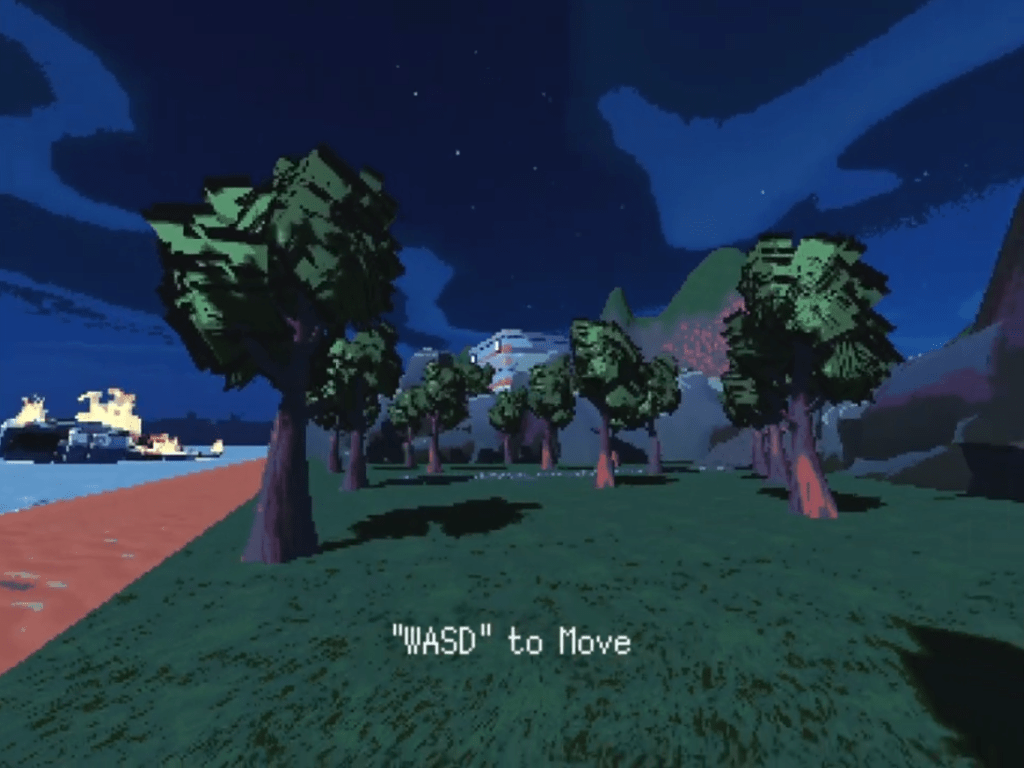


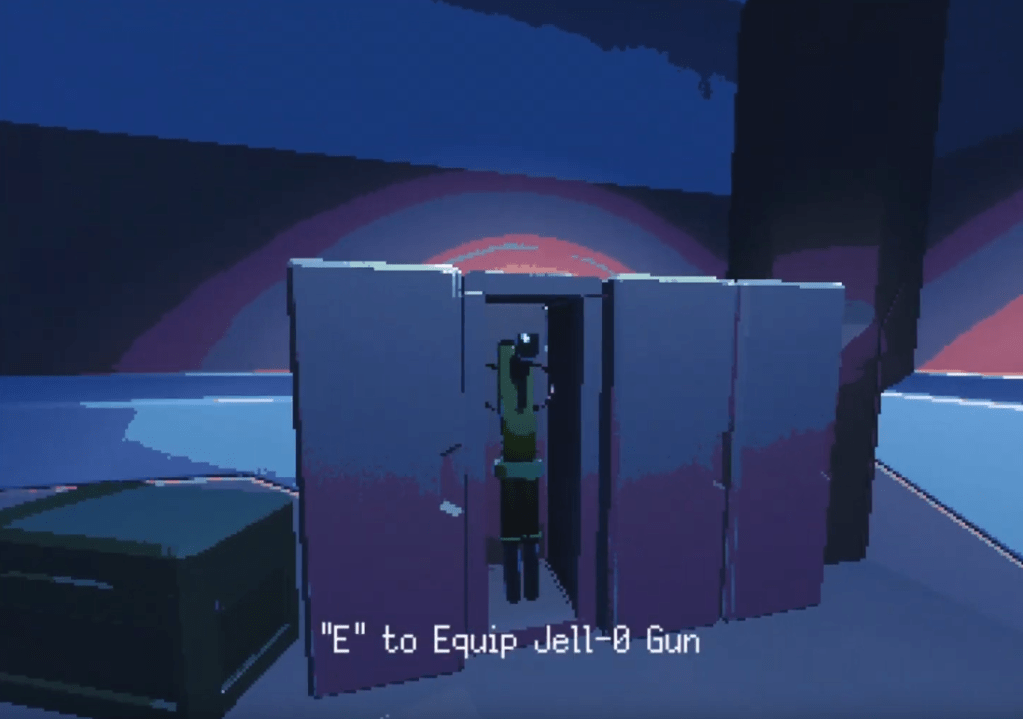
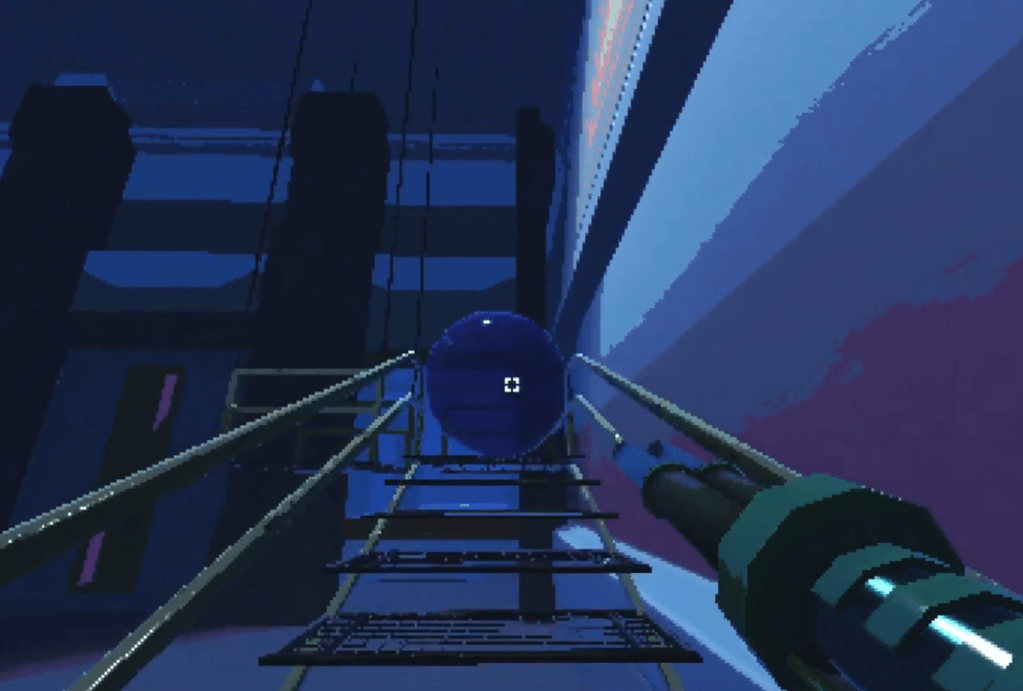
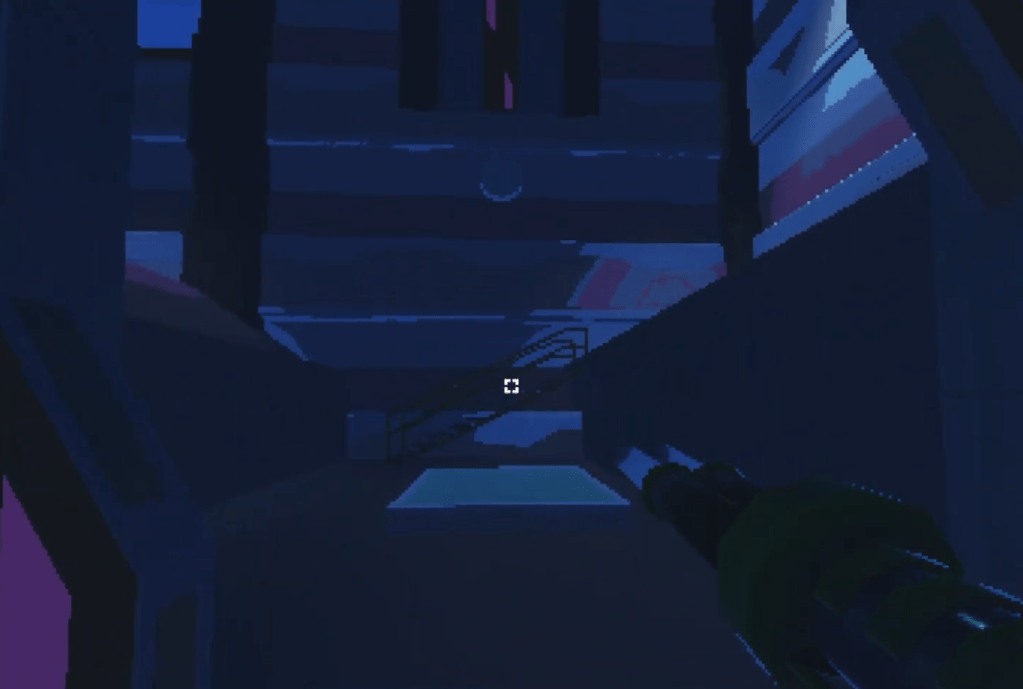
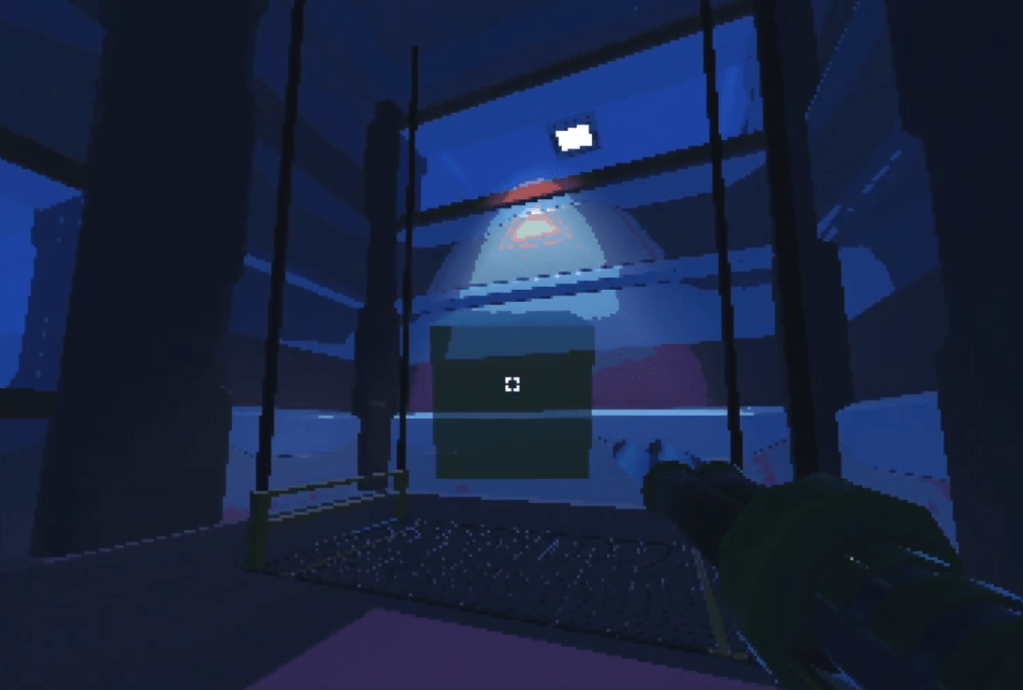
Building 3d worlds & gameplay elements
As Gelatara is a first-person 3D puzzle game, I had the opportunity to deepen my understanding on designing and building interesting levels and puzzles for this project.
With the incorporation of physics-based interactions within the game, it gave me a unique opportunity to not only learn how to adapt that style of gameplay within my levels and build upon the existing mechanics to find unique ways for the player to use them, but to learn how to facilitate emergent gameplay within Gelatara.
I developed and learnt many level-design techniques to enhance my ability as a level-designer, such as creating blockouts of levels for maximum information for minimal effort, presenting a clear objective to player, inserting one-way valves to ensure the player nudges forward in the right direction & helps prevent the player from getting too lost, presenting a privileged perspective to allow the player to study the environment and form a plan from safety, attracting the player’s attention through lighting, safety nets for failure to prevent breaks in immersion and flow.


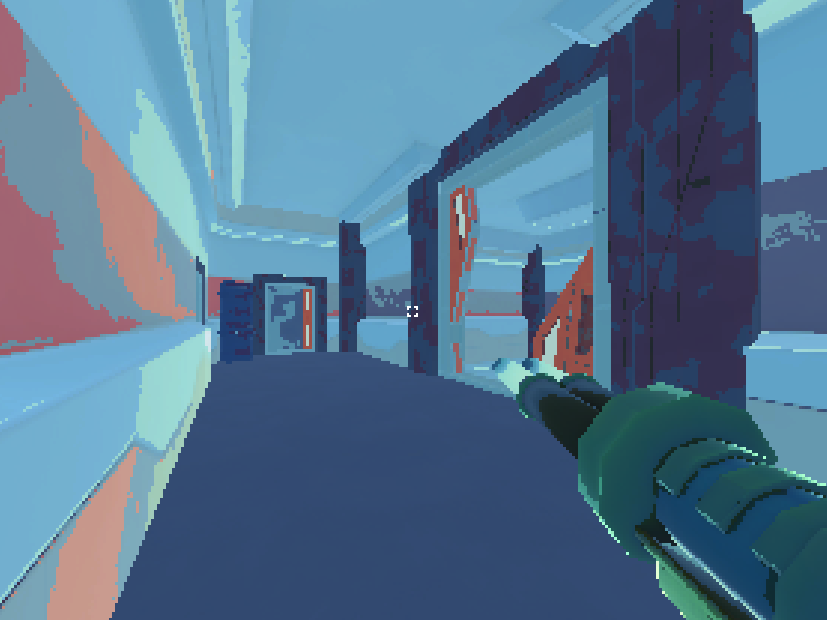

Initial Screenshots of Gelatara Level 3

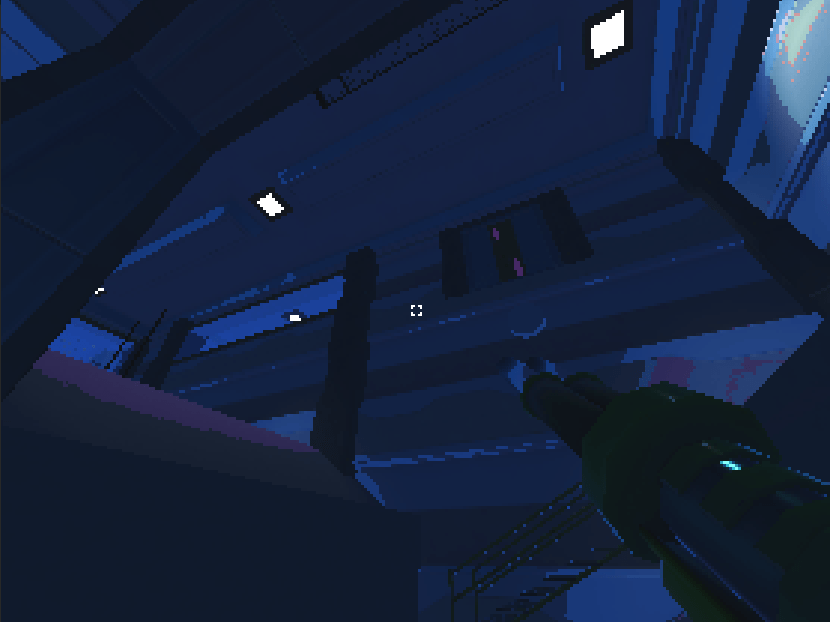


Final Screenshots of Gelatara Level 3
Solutions based on user feedback

Responses to Gelatara’s Movement Early in Development

Responses to Gelatara’s Movement Late in Development
With the development of Gelatara, I decided to adopt Valve’s design philosophy in early and often playtesting to maximise the effectiveness of my feedback of the game which proved very helpful in the early stages of development.
With this design philosophy in mind, I was able to enhance my own ability to conduct playtesting session and to extract important information from those sessions to ultimate improve the quality of Gelatara.
An example of the early insights I gathered due to this design philosophy included that the controls were not easy to understand & that the movement felt “off” or “sluggish”. Shown to the right, the responses to the movement at the time were below expectations.
However, because of the early playtesting, I was able to find solutions based on playtester feedback, which overall improved my ability to find solutions based on customer feedback. In this scenario, this included introducing tutorial prompts for the controls, as well as tweaking many of the variables to ensure responsive & smooth movement.
Becoming more of a t-shaped person
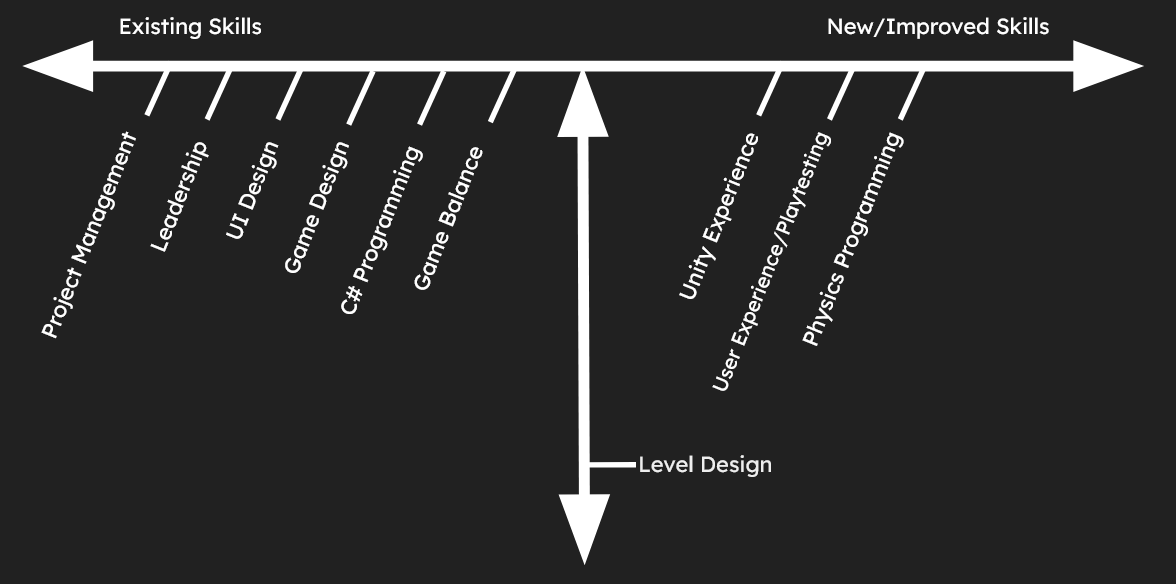
Ultimately, the development of Gelatara has made me more of a T-Shaped person, which is describes within Valve’s Employee Handbook as someone who is a broad-range generalist with a deep expertise in a single area. While working on Gelatara I was able to deepen my expertise in Level Design, as well as expand upon my range as a developer, such as improving upon existing skills such as Unity Experience & User Experience/Playtsesting, and learn new skills such as Physics Programming in C#.
 Deacon Jones